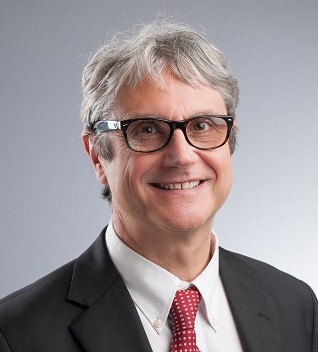
 Franco Marincola is the Chief Scientific Officer of Sonata Therapeutics. Franco brings over 30 years of research and development experience in immunology, oncology and cell therapy to Sonata.
Most recently, Franco served as Senior Vice President and Global Head of Research at Kite Pharma where he led the research organization to identify novel therapies for hematologic malignancies and solid tumors. Prior to Kite, he was President and Chief Scientific Officer at Refuge Biotechnologies, where he developed research strategies for adoptive cell therapy products and led therapeutic programs based on nuclease deactivated CRISPR circuits. Prior to Refuge, Franco was Distinguished Research Fellow in Immune Oncology at AbbVie, and Chief Research Officer at Sidra Medical and Research Centre.
Before joining the biopharma industry, Franco spent more than two decades at the National Institutes of Health (NIH) and National Cancer Institute (NCI), most recently as a tenured senior investigator in cancer immunotherapy and biomarker research and as Chief Infectious Disease and Immunogenetics Investigator at the NIH Clinical Center.
Franco is the former President of the Society for Immunotherapy of Cancer (SITC). He currently serves as Editor-in-Chief for multiple peer-reviewed publications, including Journal of Translational Medicine, Translational Medicine Communications, and Immunotherapy, and is the author of more than 600 peer-reviewed publications.
Franco received his M.D. from the University of Milan and completed his residency at Stanford University.

